
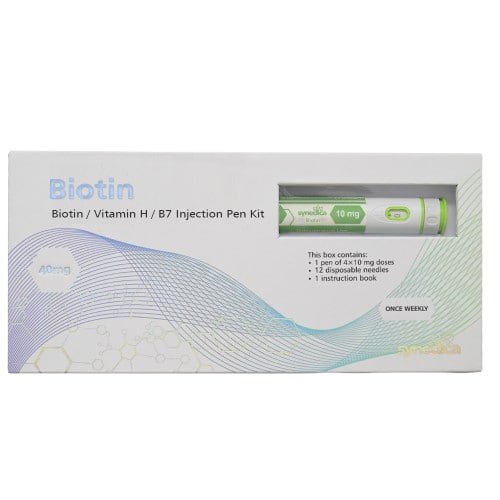
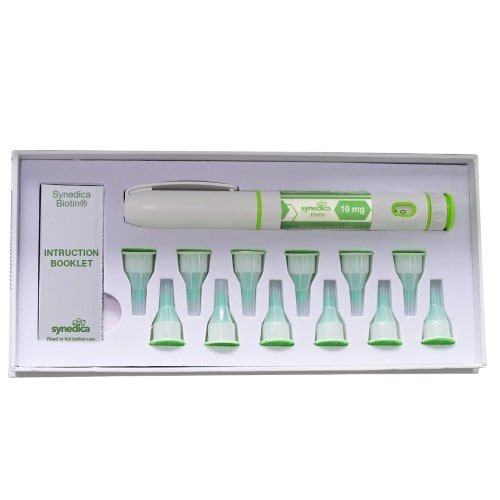
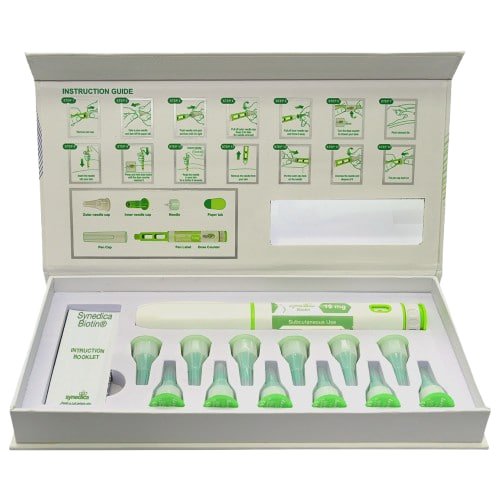
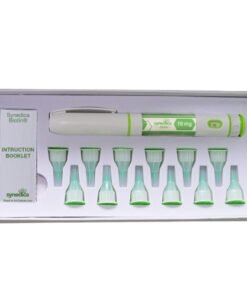
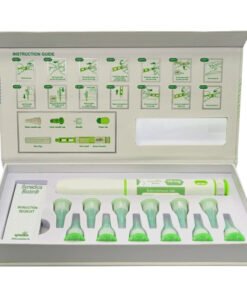
Synedica Biotin 40mg — High-Potency Biotin Supplement
Synedica Biotin 40mg delivers a high-potency dose of biotin (vitamin B7), a water-soluble B-vitamin your body relies on for energy metabolism and the maintenance of healthy hair, skin, and nails. Each serving is formulated to support keratin infrastructure — the structural protein that makes up hair strands and nails — making this a trusted choice for anyone looking to support their hair, skin, and nail health from the inside out.
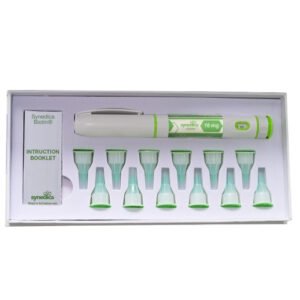
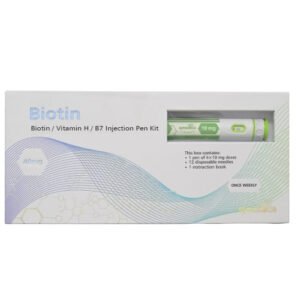
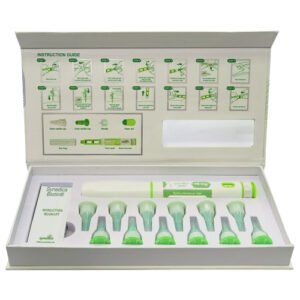
Synedica Biotin 40mg What Biotin Does in the Body
Synedica Biotin 40mg functions as a coenzyme for several carboxylase enzymes involved in the metabolism of fats, carbohydrates, and proteins. It plays a central role in converting the food you eat into usable cellular energy, and it supports the amino acid metabolism pathways your body uses to build keratin — the fibrous protein that forms the structural basis of hair and nails. Because biotin is water-soluble, your body doesn’t store significant reserves of it, which is why consistent daily intake matters for maintaining healthy levels.
Who Uses High-Potency Synedica Biotin 40mg
Biotin deficiency, while uncommon in the general population, has been associated with hair thinning, brittle nails, and skin changes. People most likely to benefit from supplemental biotin include those with limited dietary biotin intake, individuals following certain restrictive diets, pregnant or breastfeeding women (under practitioner guidance), and those who simply want additional nutritional support for hair, skin, and nail appearance. High-potency formulations like this one are popular among people who want a single, convenient daily dose rather than relying on multiple lower-strength servings.
Quality and Manufacturing of Synedica Biotin 40mg
Synedica Biotin 40mg is manufactured to strict quality standards, with each batch tested for potency and purity to verify accurate dosing. The formulation uses pharmaceutical-grade biotin, encapsulated for consistent absorption and shelf stability.
Usage Considerations
As with any high-potency supplement, it’s worth discussing biotin intake with a healthcare provider, particularly if you’re taking other medications or supplements, pregnant or nursing, or managing an existing health condition. One practical note for high-dose biotin specifically: biotin supplementation, even at commonly available doses, can interfere with certain laboratory blood tests — particularly thyroid function tests and troponin (cardiac biomarker) tests — potentially producing falsely abnormal or falsely normal results. The FDA has issued public guidance on this interaction. If you take biotin supplements, it’s a good idea to inform your doctor or lab technician before any blood work, and some providers recommend pausing biotin for 48–72 hours before testing.
Storage of Synedica Biotin 40mg
Store in a cool, dry place away from direct sunlight. Keep out of reach of children.
These statements have not been evaluated by the Food and Drug Administration. This product is not intended to diagnose, treat, cure, or prevent any disease.
What Biotin Is and Where It Comes From
Biotin belongs to the B-complex family of vitamins, alongside B1, B2, B3, B5, B6, B9, and B12. Unlike fat-soluble vitamins that the body can store in tissue for extended periods, biotin is water-soluble, meaning any amount your body doesn’t use in a given day is typically excreted rather than stored. This is one of the key reasons consistent daily intake matters more for water-soluble vitamins than for their fat-soluble counterparts. In nature, biotin is found in foods such as egg yolks, organ meats, nuts, seeds, salmon, sweet potatoes, and certain vegetables, though concentrations in most whole foods are relatively modest compared to supplemental doses.
How Biotin Functions in the Body
Biotin’s primary biochemical role is as a coenzyme for a small family of carboxylase enzymes — acetyl-CoA carboxylase, pyruvate carboxylase, propionyl-CoA carboxylase, and methylcrotonyl-CoA carboxylase. These enzymes are central to the metabolism of fats, carbohydrates, and proteins, meaning biotin participates directly in the biochemical pathways your body uses to convert food into usable cellular energy. Beyond energy metabolism, biotin supports amino acid metabolism pathways that feed into keratin synthesis. Keratin is the fibrous structural protein that gives hair its strength and elasticity and gives nails their hardness, so adequate biotin status is thought to play a supporting role in maintaining the visible integrity of both.
Biotin Deficiency and Who May Benefit
True biotin deficiency is uncommon in the general population, since biotin requirements are relatively low and the vitamin is present across many food groups. That said, certain circumstances are associated with reduced biotin status, including prolonged use of certain anticonvulsant medications, chronic alcohol use, smoking, pregnancy (biotin turnover increases during gestation), and rare inherited disorders of biotin metabolism. Reported signs associated with low biotin status have included hair thinning, brittle or splitting nails, and skin changes such as dryness or rash, though these signs are nonspecific and can have many other causes.
People most likely to consider a high-potency biotin supplement include those with limited dietary biotin intake, individuals following restrictive diets (such as very low-fat or raw-egg-white-heavy diets, since raw egg white contains avidin, a protein that binds biotin and reduces its absorption), pregnant or breastfeeding women under practitioner guidance, and people who simply want additional nutritional support for hair, skin, and nail appearance as part of a broader wellness routine. High-potency, single-capsule formulations like Synedica Biotin 40mg are popular among people who prefer one convenient daily dose over splitting intake across multiple lower-strength servings.
Dosing Context
Typical dietary reference intakes for biotin are measured in micrograms per day, and most commercial hair, skin, and nail supplements on the market are formulated in the 5,000–10,000 mcg (5–10 mg) range. Synedica Biotin 40mg (40,000 mcg) sits well above that typical commercial range. Biotin has a strong safety profile with no established tolerable upper intake level, and excess amounts are generally excreted rather than accumulated, but higher doses aren’t necessarily more effective for everyone — individual needs vary, and more is not automatically better once baseline nutritional needs are met.
Be the first to review “Synedica Biotin 40mg Injection Pen Kit”
Related products
Reviews
There are no reviews yet.